 Consult with
 Sock Doc Workshops
Stop Mindless Stretching, Part 3: Yoga, (not Stretching), Movement, & Mobility
Keira Newton Yoga Training
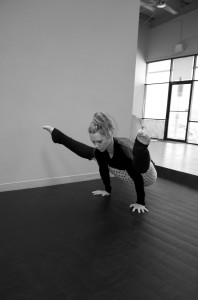
Contrary to popular belief, yoga is not Sanskrit for stretching. It actually means to join or unite, and it is a combined spiritual, mental, and physical practice. Assuredly, most yoga poses do focus on flexibility and strength to varying degrees, however, each pose involves different muscle groups functioning in different ways which are intended to develop awareness in both the physical and mental realm. The pose influences the mind as well as the body, including the circulatory system (blood pressure), the endocrine system (hormones) the digestive system, and many others that make up our functioning body. One of the goals of yoga is to create flexibility while simultaneously building strength, which takes into account tension, relaxation, and compression as I discussed in part II of this Stop Mindless Stretching series.
Proper alignment of the poses is crucial. Without knowing how your body moves, and how it is supposed to move, you will never create the stillness to practice meditation and breath control, a key aspect of yoga and known as ‘pranayama’. Yoga poses are intended to be mindful, not mindless. When performed properly, they are definitely not mindless stretches!
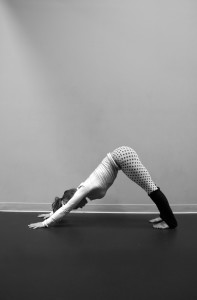 Most participants focus simply on the physical aspect of trying to get their body into some pose or ‘stretch’ that they are not ready for in their stage of training. Isn’t this true for most programs? Often we are trying to achieve more than what we are capable of too soon in our chosen practice. Like many forms of movement, the poses in yoga take much practice to learn well, especially to develop the strength and flexibility along with the mind-body connection. Many people try too often to do poses that they cannot properly perform and end up either with more pain or injuries. Ultimately, learning each pose individually while getting to know all the actions of the pose, (what areas are being lengthened and which are being strengthened), and then being able to get into that pose safely using whatever props are required at your specific level of ability, is the best way to establish a strong and healthy foundation in the practice. Once your body is strong and flexible enough, experimentation within different aspects of the practice can be beneficial.
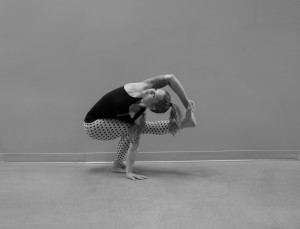 For those new to yoga, (and for those looking to take their practice to the next level), it is always best to work with a trained instructor rather than to try it on your own as so many do. Often poor habits are ingrained into the brain that are much harder to break when, or if, you ever learn the proper poses later on in your practice under the guidance of an instructor. Poor habits unfortunately develop often, not only with yoga but with many movement and fitness programs. (Kettlebell training is a great example.)
Most yoga classes attended by beginners or by those with improper instruction are geared to the more stretching-type yoga practices; you will end up with useless flexibility and a greater chance of becoming injured. I discussed this in Part I. Yin yoga practices tend to focus more on stretching while Yang classes, such as Ashtanga yoga, tend to be more rigorous and strength building while creating more heat in the body during the practice. As discussed in part II, creating more heat can have a tremendous positive effect on your flexibility. The pace and level of difficulty of these poses can also create a risk for injury if there is not careful attention paid to the movements. Focusing on your breath and working to transition from one pose to the next at a fairy quick pace takes time which many yoga students do not adhere to and they subsequently end up with an injury.
The end goal of any form of movement is to develop deeper awareness of your body and to achieve optimal health. Yoga fits in this category as well. Remember that one big difference between stretching and yoga is the mindfulness of the practice. A healthy yoga practice also should develop a balance of strength and flexibility. Yup, that’s mobility.
Movement and Mobility
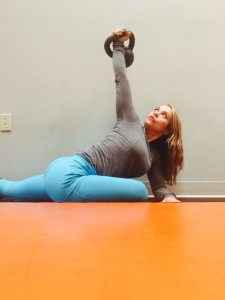
Keira doing a weighted stretch
I’m all about movement, not stretching. When we mindfully move or bodies through various ranges of motions we’re naturally “stretching” simply by moving. Hold the movement for some time if you want as long as it’s helping to improve your mobility. Dr. Stuart McGill, professor of spine biomechanics at the University of Waterloo in Canada, has stated that, “static stretching deadens the muscle from a neural perspective – diminishing the stretch reflex and reducing peak strength and power. On the other hand, “active flexibility” facilitates muscle contraction and wakens the neural system”. Oh – I like that!
My favorite short definition of mobility is strength plus flexibility. You can’t have one without the other if you want to be mobile. Mobility is moving your joints through an active and full range of motion, especially the very lengthened and shortened aspects of joint mechanics that most people neglect in their training. Simply trying to get more and more flexible without developing strength can quickly lead you to a weaker body than what you had before. Who cares if you can now touch your chest to your thighs if you are weak; the function – that flexibility – is useless and now you’re more susceptible to injury. Do you want to be good at movement or good at stretching?
There are so many movement programs today and for the most part I think they’re all valuable as long as they’re taught well, in a safe and adaptable progression. So many people literally cannot crawl properly yet they want to run for miles. So many cannot even breathe properly and this, as I’ve discussed, affects movement. Do not learn a bad habit and do not progress to the next level before you are ready. Become an efficient human being – not simply an effective one. That means you train your body to move with speed, strength, and grace. Stretching is not going to fix your poor running, crawling, or jumping form, nor anything else for that matter.
The practice of Ido Portal teaches a loaded progressive stretch that uses resistance to improve flexibility. In my opinion, this is an excellent way to become more mobile, and one I’ve incorporated into my own training. Strength and flexibility are achieved when these, and other methods, are implemented in your daily movement hygiene. Resistance can be your own body weight and eventually some external weight to develop more strength and flexibility in a healthy progression.
Move, Don’t Stretch
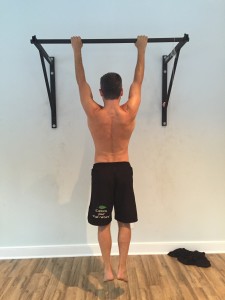
Shoulder mobility. Yeah, it’s a good mindful stretch too.
Become a good mover, not a good stretcher. Stretching is an exercise – it’s optional. Movement isn’t an exercise and it’s not optional if you want good health. Exercise, like stretching, is for specialization and isolation. Sure, there’s nothing wrong with that if you want to be good at one exercise, or one sport. You most likely will need to stretch in excessive ways if you want to be great at certain martial arts, gymnastics, or dancing. However, mindless stretching is still not advised. If you can lift your leg higher at the expense of stability and strength, then what have you achieved? Quite simply stated, short term flexibility, that is all. Most of these types of athletes have undergone deformational changes to help them achieve the excessive ranges of motions required for their specialized sport – this is not health.
Focus on how you choose and need to function when you move and the goal of that particular movement. Functional training focuses on proprioception (joint position sense) and mechanoreceptors (sensory nerve endings which respond to mechanical stimulation such as muscle contraction and pressure) throughout your body. This is whole body integration, not isolation. It’s body awareness!
In the fourth and final part of this series, I discuss pre and post-workout stretching, stretching an injury, and most importantly – how not to be a Bozo.
Dr. Stephen Gangemi "Sock Doc"

I'm a board-certified chiropractic physician and clinical nutritionist with a passion for true natural health care. I implement dietary & nutritional therapies, exercise & movement practices, and lifestyle changes along with manual therapy techniques to help the body heal and prevent illness and injuries.
Colin says
Keep up the great work! I can’t wait for part 4.
Patrick says
Great and informative series!
What would your view be on the three stretching courses from Gymnasticbodies.com for example? If you have seen them.
They include mostly static, unweighted stretches, so I suppose they are what you would call mindless stretching.
However, coach Sommer and the Gymnasticbodies method has a very good reputition and I enjoy following it myself, so I’d like to think that he knows what he’s talking about when it comes to mobility and strength.
Could you (or anyone else) give some comment on this?
Sock Doc says
I’ve followed GMB and a lot of them are weighted – with their own bodyweight. There is value to movements/training like this, as long as your body is ready to withstand the stresses you’re putting it under and you’re getting some benefit from it. I don’t think you can be mindless and perform most, maybe all, of the GMB skills/drills well.
Mark Cucuzzella MD says
Great article and series Steve….i need to find so Yoga time. until then i’ll stay true to the simple daily home routine.
Kevin Mefford says
Wow awesome article! I agree with your ideas of focusing on becoming a better mover. You explain your philosophy very nicely. Can’t wait to read part 4!