 Consult with
 Sock Doc Workshops
 So you wanna be a vegan athlete – what the hell is wrong with you? Settle down vegans, I’m only kidding, (well partially), I know how easy it is to rile you guys up. It may be the protein deficiency and blood sugar instability that sets you all off so easily. Ok kidding aside, I’m not a vegan-hater, just not a vegan-lover, and it’s not because I read a book or worship some meat-eater who pretends to know better. I have never seen a truly healthy vegan in my office, athlete or non-athlete, and rarely do I see a truly healthy vegetarian. Let me explain why I think this is and why I don’t think veganism is right for almost all people. Maybe you think it’s working for you – and maybe it really is. But more likely it isn’t the ideal diet for you but you just think it is. Huh? Read on…
A Dietary Change For the Better (?)
The classic vegan athlete I see (physically in my office) or hear about often is one who used to have a really unhealthy diet. They once ate a diet that often consisted of processed artificial foods, excess sugar, diet soda, and plenty of bad fats. Basically, their diet was a train wreck. Then they switched from this type of diet to either vegetarian, (often still eating milk and eggs – “ovo-lacto”), before going to hard-core vegan, though some have gone straight to the vegan route. What happens when they make this change? They feel great! They’ve cleaned up their diet from so many processed and artificial products that they’re reaping the health benefits. A vegan diet is so much better than what they were eating previously and if there were only a processed artificial diet and vegan diet to choose from then I’d go vegan too.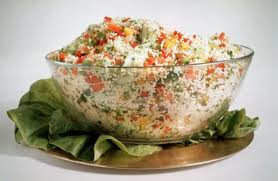
Vegan athletes feel that they cannot eat a healthy and clean diet without eliminating everything that contains or came from some living creature. However, consuming pasture raised eggs and undenatured dairy often equates with improved health (and fitness) for many even more than the fully vegan diet. And many see even a further improvement in their health when they add in grass fed meats and wild caught fish too, (a Paleo Type Diet).
Vegan Athletes and Protein
Vegan athletes tend to be deficient in protein. But I’ll add to this statement because the rebuttal here is that a healthy person doesn’t need much protein – maybe just 40 or so grams a day. To this I call bullshit – that’s just enough to get you by but not be healthy or sustain fitness. Heck, you only need roughly 10mg of vitamin C a day to prevent scurvy, but hopefully you’re striving for more than that (a bite of an orange), for overall health. Ideally a person should consume at least 1.0 gram of protein per kilogram of body weight, and athletes should shoot for at least 1.5 g/kg. Many athletes during high intensity or long duration training periods should plan on 2.0 g/kg.
Vegan protein sources are almost primarily grain based and incomplete for the most part. Yes, quinoa is a so-called “complete protein” grain, but still not optimal when compared to animal proteins or even those proteins from an animal – especially whey and egg – perhaps the two best complete and bioavailable sources of protein.
Vegan athletes then turn to legumes, (beans & lentils), hempseed, and various grains such as amaranth and buckwheat for protein, increasing their dietary carbohydrate content. Yes, most legumes (the beans) are carbs, not proteins. Peanuts have a good amount of protein, though they are more of a fat. And then there is the somewhat dreaded soy. Soy proteins are notoriously known for their estrogen-mimicking effects on the human body – clearly not healthy. Soy proteins, (the ones that make up so many soy protein products and “fake meat” items), are often derived from petroleum-based solvents which is obviously not good for any body. Fermented soy, however, can be beneficial, and this includes tempeh, tamari, miso, and soy sauce. Though not a significant amount of protein, especially the soy sauce, they’re pretty good sources for vegans. But you only should, (and can), eat just so much soy, even fermented. Tofu is typically processed and it’s coagulated soy milk. Soy milk, like agave, (which is similar to high fructose corn syrup), are two foods that I feel should be removed from the food industry, especially health food stores. They are in no way healthy and they have no place in a healthy diet. But they’re both vegan.
Vegans, Fats, and Inflammation
Vegans are very susceptible to creating inflammatory problems directly due to their diet. As discussed in detail here in the Sock Doc First Aid Series Part III, high carbohydrate foods combined with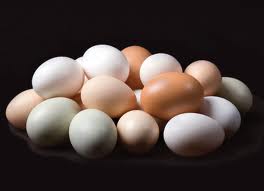 refined omega 6 oils is a recipe for disaster. Many vegans eat a lot of these types of foods and even those who eat raw vegetables, nuts, and seeds need to be careful to not consume too many omega 6 fats. To help prevent this, flax and walnut oils can be included in the diet, providing some omega 3 fats. Unfortunately this still leaves the diet devoid of the important arachidonic acid (AA) fats from their natural source – animals. If you’re vegan there’s no way to get around this roadblock; of all the dietary fats I believe AA fats are vital and highly undervalued in regards to optimal health.
Nutrients and Phytonutients in a Vegan Diet
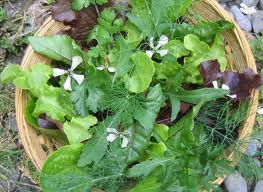 Vegans who consume a lot of raw, organic plant-based foods and shy away from the refined grains and processed foods tend to have very healthy levels of vitamins and minerals and especially those ever so healthy phytonutrients (powerful antioxidants that give the plants their flavors and colors). This is definitely one perk of the vegan diet, though any non-vegan healthy diet should also contain a lot of these fruits, vegetables, and herbs too. Since plant foods do not provide vitamin B12, many vegans need to supplement. Fortified foods often don’t make up for the deficiency and are of course only found in those processed unhealthy foods anyway.
Are Vegan Athletes Truly Healthy?
I’ve heard this line many times: “I’m very healthy and I’m vegan.” Then the person making that statement goes on to ask me why they keep getting injured, sick, or can’t get out of some low energy or training funk. Yes, I’m well aware that this is common for even non-vegans, but my point is that a lot of vegans think they’re healthy and they’re not.
Health is not merely the absence of some pathological disease. Many people think they are healthy but often they are not as healthy as they could be. Do you sleep well throughout the night without awakening and then wake up feeling refreshed without aches and pains? If not, I’d define that as poor health. Do you take any medication – whether it’s an anti-inflammatory, hormone replacement, a drug to wake up, to go to sleep, or to have sex? Taking any medication is a sign of some health problem, (though they are sometimes necessary). Do you lack physical and/or mental energy during the day? How about your digestion? Are you one of the many women (and sometimes guys) like those I see in my office who think it’s normal to have a bowel movement just a couple of times a week? That’s definitely not healthy. Do you need to wear an orthotic in order to walk without pain or need some form of traditional footwear with support and “cushion” so you can walk, stand, or even exercise? If you do you’re definitely not healthy from my perspective.
Think about how healthy you really are, and if your diet is promoting or deterring health.
The Vegan Athlete Role Model
Oh please don’t say that there are great athletes out there who are vegan and that’s your vegan justification. That’s just all wrong type of thinking. There are also great athletes eating McDonald’s and only drinking Red Bull and Diet Coke and they’re awesome. (Maybe they’re on drugs?!) You don’t know if that athlete is suffering some health problem, either functional or pathological. Don’t equate fitness with health and don’t assume that being vegan got him or her to the top of their sport.
Yes, some vegans choose to eat in such a way due to ethical or religious reasons and although I don’t agree with it, I understand and respect it, (more the religious aspect). I’ve never tried to change a person’s diet away from vegetarian or vegan which they are following due to their religion. I’ve tweaked it as much as possible within those religious guidelines and for vegetarians that often means a lot more eggs and whey protein and dairy fats. Those who choose to be vegan due to ethical reasons, feeling as though all other diets are unethical, I think are somewhat misled. There are ways to still eat non-vegan and be ethical and humane towards animals – even if you don’t actually eat them; case in point is the vegan omission of eggs and honey.
Eggs & Honey: Vegans Just Say No!
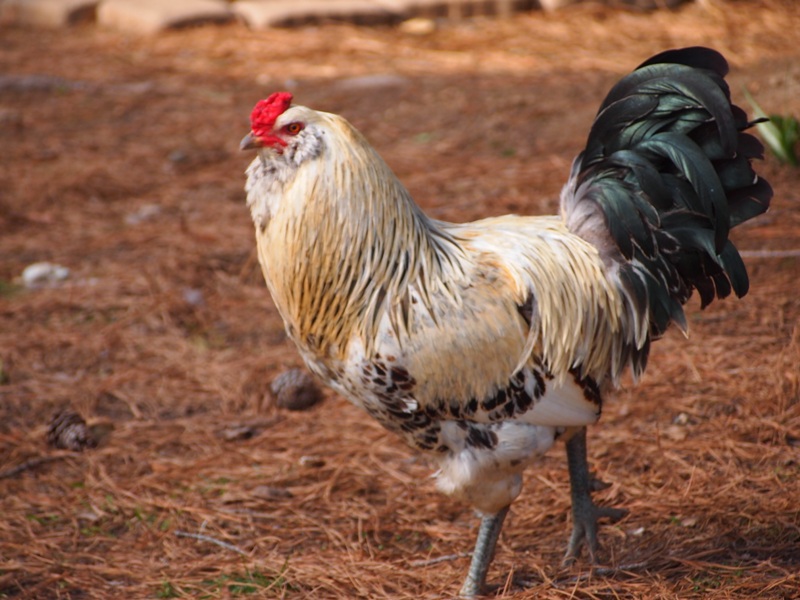
You really wanna mess with the Colonel?
Vegans won’t eat eggs due to the commercial treatment of hens and egg factories, and eggs have the possibility of becoming a living creature. I’ve got a good dozen egg-layers running around my yard and I know more than a thing or two about these birds, one being is that the egg which they lay isn’t going to turn into a cute little chick unless it has been inseminated by a rooster. So no rooster – no chick. But the hen will still lay her egg every day and if you don’t eat the egg, then you’re wasting food. It’s that simple. Now even if you have a cool-as-hell rooster around as I do, (we call him the Colonel), that hen then has to go broody to have that little chick hatch from the egg. That means she has to sit on it, and stay on it. Many hens never go broody – actually we’ve never had one go broody. So again, that perfectly laid source of protein egg containing vital nutrients for health will once again be wasted – not if it’s laid, but when it’s laid. You’re not going to stop a hen from laying, at least not naturally. So I could be very direct here and say vegans waste food, but I won’t go there though I just did. And yes I understand that many vegans don’t want to support commercial farming of eggs; neither do I.
Vegans also won’t use honey because they feel it harms, enslaves, or kills bees. I’m a beekeeper and can tell you that a responsible beekeeper isn’t just stealing honey and then feeding the bees 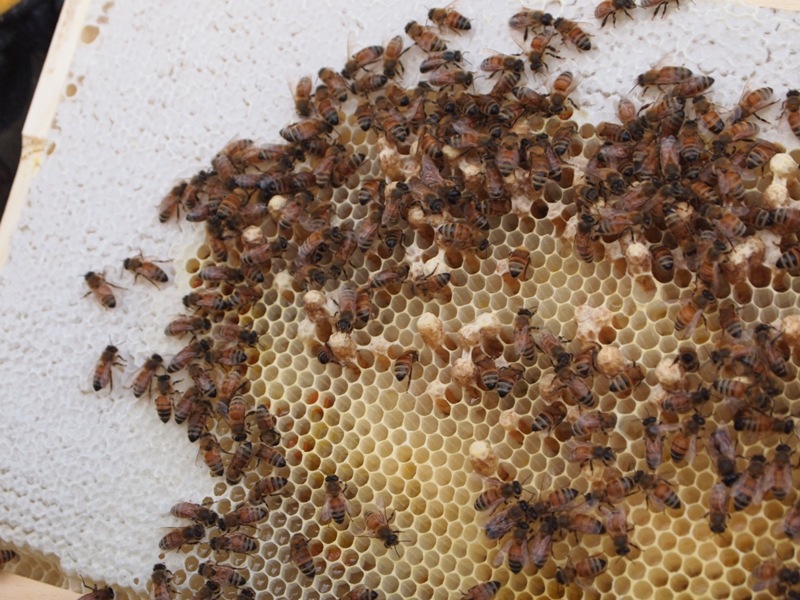 nutrient-poor sugar water and they sure aren’t stealing honey from a hive and leaving the bees to die. If there is a hive full of honey then eventually the queen has no place to lay her eggs and guess what – she takes off with much of her staff. The hive swarms and honey is left behind in a hive with half a colony and that’s ready to be robbed by other bees or pests. A beekeeper will only take off the surplus honey. Some years, such as this past year, there wasn’t much honey surplus and most colonies have now needed sugar water to get ready for the upcoming winter, without it they will most likely die. If they die then that’s less bees next year and that’s worse for pollination for all the vegan crops. And the notion that keeping bees in a hive is a form of enslavement is just plain nuts; sorry but it is. The traditional hive is a great place for a colony to live and thrive and protect themselves. They can come and go when they please too – I’ve never known a slave to have that freedom. Again, I understand that commercial farming of bees is a huge problem.
A Final Vegan Note
Here’s the point – follow a diet that works for you and don’t assume that you’re on the ideal diet for your genetics, chemistry, lifestyle and activity level based solely upon what you read or what someone else is doing. You need to figure out and fine tune your own individual diet. If you were eating junk food for years and switched to vegan and feel awesome then I applaud you, (really, but not literally – sorry), but assuming that you’re now on the road to optimum health is shortsighted. You very well, and I’ll say from experience most likely will, feel even better if you add in some high quality protein and vital fats and nutrients that come from, and are in, animal products. Notice that I said “come from” – you don’t need to be a meat-eater to have a healthy diet, but swinging to the opposite team isn’t necessarily the best idea for most either.
Dr. Stephen Gangemi "Sock Doc"

I'm a board-certified chiropractic physician and clinical nutritionist with a passion for true natural health care. I implement dietary & nutritional therapies, exercise & movement practices, and lifestyle changes along with manual therapy techniques to help the body heal and prevent illness and injuries.
Donna Byrne says
I am a barefoot vegan. I am not perfectly healthy — I have allergies and bunions. But I am committed to veganism. Unlike the word vegetarian, the word vegan specifically implies moral concern for animals, and this concern extends to all areas of life, not just diet. While in theory it might be possible to be vegan and eat some animal products, it is nearly impossible to do so in today’s world.
I love your website, subscribe to your blog and wish there were more doctors like you. But an article attacking vegans is not particularly helpful, except to the extent that it contains hints about how to be more healthy.
I used to get eggs from an organic farmer friend. The chickens scratched around outside and ate bugs. They had a good life. But only hens get to participate. And they came from the same sources that supplied conventional layers, with all the horror that goes along with the egg industry (debeaking, disposing of male chicks, crowded and inhumane living conditions, etc.) I refuse to support it in any way, even by buying real eggs from my organic farmer friend.
I love your website, subscribe to your blog and wish there were more doctors like you. But an article attacking vegans is not particularly helpful, except to the extent that it contains hints about how to be more healthy.
In any case, I was on the fence about honey until I read this: http://www.vegetus.org/honey/honey.htm
It is a most compelling and thoughtful treatment of the vegan reasons for skipping honey.
I do applaud you for producing your own food. When I am able to keep a whole brood of chicks and give them a decent chicken life, I may consider eating eggs again. Until them I welcome suggestions on how to optimize my VEGAN diet.
Sock Doc says
Thanks Donna, and I really am not attacking vegans, I just love stirring up the crowd. That article on honey is typical and pointing out how much food is raised today. This is why I specifically mentioned the “enslavement” of bees in the article. Of course you shouldn’t eat anything from a factory farm. But articles like that, in my opinion, are ridiculous, (it’s all about commercial farming and pollination) – they don’t take into account the many organic and home farmers, such as myself, who produce their own food and don’t support those organizations.
I’m sure you can find some egg laying hens who don’t come from a commercial source that you can raise on your own for eggs.
In regards to how to optimize your vegan diet, that can only go so far, as I discussed. Even with lots of soy and “grain proteins” you’ll still be missing out on many important nutrients.
Nick says
“Thanks Donna, and I really am not attacking vegans, I just love stirring up the crowd.”
A.K.A. typical troll behavior.
I am a healthy vegan athlete, and am friends with very healthy vegans, including other vegan athletes.
Sock Doc says
Like I said, it’s so easy to stir vegans up and most all are rude with their responses, some to the point I can’t even approve them.
“Troll”
Kevin says
I am an athlete. I have a normal well balanced diet because my mother has a masters in nutrition and always taught me and my family healthy eating. I have vegan friends who are athletes too. I’ve always found that I excel well beyond my vegan athlete friends in strength, speed, and especially endurance. They are just simply malnourished and unhealthy. I guarantee that I can beat any famous vegan athlete at their sport given I have the exact amount of training.
I found this article to be a reconfirmation that eating a well balanced meal in reasonable proportions is the secret to being healthy. Americans in general don’t eat healthy and happen to eat meat too so vegans make the incorrect assumption that eating meat is unhealthy.
Rockie says
The word vegan does NOT specifically ethical concern for animals.
Donna Byrne says
The word was coined in 1994 by Donald Watson, a founder of the Vegan Society, a group of vegetarians who disavowed the use of dairy and eggs on ethical grounds. The word “vegan” DOES connote ethical concern for animals.
Language changes over time, however, and the Forks over Knives crowd is taking it over to mean simply plant-based. The fact that you think it only means a set of dietary choices is evidence of this change happening. So in a sense you’re right — the meaning is changing.
Victoria says
I agree with Donna being a vegn means more than just omitting meat/milk from diet, I used to keep giving things up because of the horrific cruelty and mind numbing insensitivity of factory farming and now support several campaigns whether stopping the fur trade or bear bile in China or animal testing, BUAV and IFAW or WSPA have several ongoing campaigns and people have to know about the brutality of many industries to change things, not just for the animals but to release our own humanity.
I know that palm oil is very high in cholesterol and is often added to processed food, it also is reponsible for rainforeset destruction for the plantations Rainforest Action Network give more info.
I think that vegans/vegetarians get a lot of hate too, should try a dialogue with fur/ hunting fraternity to get a gist of that??! Remember Gandhi /William Wiberforce and most of the Beatles supported animal issues and human ones as well?
James says
Timely for me. Am an athlete and, after watching a few documentaries and reading a few books, choosing to try veganism. I’ve been paleo but really have a hard time eating meat anymore. On Day 3 – I can say the higher vegetable consumption has been nice but I do find I am hungry in the evenings.
I enjoyed the weight loss with paleo diet but not “sold” that the saturated fats and fats in general from ghee / nuts / coconut won’t harm me long term. If I could see what was happening with my blood vessels, I would be much more comfortable. Peer reviewed literature primarily supports fats as harmful – a long term, peer reviewed “paleo” study would is something that is necessary imo unless it exists I’ve missed it.
I believe our bodies are possess the ability to adapt for the most part when our diets consist of only certain macro-nutrients. Certainly there are many paleo, fruitarians, vegans in sports that are successful – whether winning or middle of pack.
Curious – if one wanted to follow a paleo “style” diet without eating lots of meat, how would you go about it? Eggs? Hemp? Nuts (lots of fat, too). I read somewhere that a meat eating vegetarian is probably the best diet for us…. mainly vegetables with occasional meat.
Enjoy your perspective and have followed your recommendations (thus far) for successful paleo-ism.
Sock Doc says
I appreciate the comments James. And as always I don’t claim to “know it all” and have learned much from my readers. However, whenever someone points to peer reviewed literature to counter what I am saying, then I ask that they (you) post/share it. These types of research tend to site deep fried foods, grain fed meats, and meats combined with their wheat sources (hamburgers/hotdogs). I ask you to read the Sock Doc Injury First Aid series where I discuss the importance of AA as well as my cholesterol article here (http://www.drgangemi.com/2012/01/elevate-cholesterol-elevate-health/); and again – please post your research reviews here.
And yes, as I note you can definitely be a non-meat-eater and consume a lot of eggs and whey protein. Hemp is okay; the nuts, again as mentioned you need to be careful of too many omega 6 fats. Yes, a meat eating vegetarian is a good way to look at it. You don’t need to eat meat all day long, or even every day, to be healthy.
Donna Byrne says
Uh, sorry to be snarky, Doc, but you did say that those of us who choose to be vegan for ethical reasons are misled. That’s bound to ruffle feathers, especially among those of us who read extensively and make careful choices. You deserve the benefit of the doubt on your own beekeeping and hen raising. But the vast majority of the egg and honey supply is indefensible from an ethical standpoint.
Sock Doc says
The vast majority off eggs and honey is but as you know from reading this and anything else on this site I do not support those corporations or practices. I’d like to hear a vegan not use those practices as a reason to not eat those foods, and rather grow & farm their own.
*Edit – I edited the article on the “misled” wording as I can see how you have read that. I hope it is more clear now, thanks.
Paul says
I understand soya contributes to the destruction of rain forests, destroying habit and contributing to extinction’s.
http://www.guardian.co.uk/lifeandstyle/2004/nov/07/foodanddrink.features7
Paul says
I think I killed the conversation….
Shua says
Hey doc!
Thought I’d give my experience with being vegan. In January I went from being pescitarian to being raw vegan for 1 month. I felt great (probably from burning all the fat I was losing) but the injuries I had incured over the past few months didn’t get better even with full rest. After that I was just straight vegan for 7 more months and felt ok-ish until the last 2 months when I just felt fucking awful! After reading Dr. Maffetone’s book and reading many of your articles I reluctantly switched to paleo and BAM within a week all of the depression I had accumulated went away (GOOD FATS and protein!). Also, all of the heart rate/fat burning training I had been doing finally worked. My heart rate dropped around 10 beats/minute and I swear my running gate improved…within weeks. I still have some minor aches and pains which I contribute to the depleted adrenal’s I gained over those months but I feel truly great and seem to heal quickly from injuries that used to stick around forever! Honestly the biggest thing that changed though was my mood and that helped everything!!! I’ve only been paleo for a couple months and I won’t be completely sold until it’s worked for over a year but right now I’m happy. Do you recommend any adrenal support for people coming out of a foul diet? Acetylcholine….DHEA?
Sock Doc says
Thanks Shua. I recommend adrenal supplements per each individual situation, and only hormones such as DHEA when verified by lab testing.
Anja Goetzinger says
Sock Doc,
I was a vegetarian for 10 years… as well having 3 month vegan moments here and there. As a serious runner, I never realized that I could have had so much more potential. Then I switched to more of a Paleo diet! I still eat as clean as possible… and actually cleaner! Meat has one ingredient. Eggs has one ingredient. Milk has one ingredient. Almond milk, soy cheese, tofurky??? The ingredient list is too long for me. I still only eat animal products from local and sustainable farms, because I don’t want to support the mass production and feed lots. Anyway… I am so much healthier and happier! What’s your call on “eat right for your blood type?” I’m type O… which is the “oldest” blood type… thus caveman diet/Paleo works well with me. Also, what’s your call on Scott Jurek? Vegan and an amazing ultra runner!
PS. I love your articles that you post!
Sock Doc says
I’ve seen the blood type diets work for some. I also think Jurek is an amazing athlete. As I mention in the article he, and I’m sure many others, are great athletes who follow a vegan diet. If it works for them then stick with it. Right now there’s a bunch of people bashing this article (and cc’ing to Jurek) on Twitter; they simply don’t like it when someone questions their holy diet. I am simply saying “think twice about it – it’s not best for most.”
John says
Excellent article. I would be interested to see average TSH, T3, and T4 levels of vegan and non-vegan athletes to compare thyroid function. I am a 2:42 marathoner and my thyroid performed progressively worse as I leaned to more of a vegetarian and vegan diet, avoiding most animal products.
While my TSH was skyrocketing, I developed inflammation of the pubic bone(osteitis pubis), and it has taken about a year to overcome it through smarter eating, training, and recovery(thank you rumble roller). I feel better than ever consuming organic calf or chicken liver once or twice a week, and enjoying some butter and eggs on a daily basis.
Of course I am on thyroid medication, but I am at a key point 8 months and many dosage adjustments after beginning synthroid. I will get another reading of my TSH next week. With additions of healthy animal products to my diet I am very curious if the thyroid function has improved and my Dr. has to put me back at an earlier dosage that was not previously sufficient at reducing the TSH to an appropriate level. Last reading it was at 0, showing the 125mg/day was too much. In a strange way I am rooting for the TSH level to remain at zero to prove my nutrition is on point. 🙂
Sock Doc says
I don’t get why you want it still at zero. If you diet/meds/exercise are all supporting your thyroid properly then your TSH should be back up in the 1-3 range. If it used to be super high and now is very low then that’s often a sign of an autoimmune disease (Hashimotos).
John says
I am hoping it is still at 0 to prove that a level of meds that were previously insufficient enough to bring down my TSH to a healthy level are now more than enough due to the changes I have made to my diet. My long term goal would be to be reduce Synthroid and eventually get off the meds naturally. Have you ever known of a person to improve thyroid function via lifestyle and diet changes enough to remove meds?
I never ate liver or sardines in my life until 2 months ago. I always thought I was eating generally healthy, but I wasn’t consuming nearly enough iron, selenium, copper, and zinc to support my thyroid. I also avoided saturated fats such as butter and coconut oil. I have learned that on 80 miles a week I need the saturated fats. In addition, I have cut out gluten and am getting along fine with sweet potatoes, potatoes, rice, gluten free oats, quinoa, and some occasional corn.
Sock Doc says
Yes I have but every situation is different.
karen says
I started a vegan diet a little more than 20 years ago after being a vegetarian a few years before that. It has been a long process of finding what foods feel best-completely avoiding the vegan “fake” foods, eating soy in moderation and eating locallly and seasonally as much as possible. About 6 years ago we began eating eggs, only from the chickens we keep as yard ornaments. I ran my first marathon this year and enjoy cycling as much as possible and I seem to keep up with the carnivores just fine! I completely agree with you that one needs to fine tune your diet to find what works for you! Love the website-thanks doc!
Sock Doc says
Ah – a vegan (who now eats some eggs) who understands the article. Vegans are already hating me on Twitter. They’re violent when poked.
karen says
yes, they tend to be an angry lot. Sorry, but it is true. I was once involved with an animal rights organization and had to disengage because I couldnt stand all the hatred. There, now they can hate me too.
alan says
i notice they love animals a lot, but they tend to hate mankind a lot too, although man is an animal too..
mb says
When I was suffering from various bits of malnutrition due to Celiac I had anger issues, they should look into their diet 🙂
Cindy says
I have typed and deleted a half dozen times some words here, but diving in…
I have read and watched countless books and documentaries that make me appalled at the conditions and inhumane treatment of animals, and caused me to change my eating and buying behaviors. I do not have a yard to grow chickens or cultivate honey from bees, but that doesn’t stop me. Even if one cannot do it themselves, it is possible to source products from farmers and caretakers that have the resources and heart to do it in a way that honors the life of the animals.
It requires a heck of a lot more effort and expense, but is worth it and these sources do exist. And even if I moved to a state where such farmers do not exist, you can bet I’d pack my pick-up truck full of coolers and drive cross country if that is what it took to keep us stocked.
We all make decisions for how to purchase goods and services that mesh with our personal beliefs and values as best we can given our budgets and abilities, but there are ways to source healthy and humane animal products without growing them yourself. It takes effort, research, a chest freezer, and maybe an extra job if times are lean, but it can be done.
Admittedly my bias comes from living in an area where sources are plentiful for food products that were raised in wild environments with ethical and humane practices from birth to death. Plan a vacation to Virginia if you need/want to – but please don’t let your inability to grow/raise something yourself keep you from healthy nutrition.
Sock Doc says
Good points and thanks, Cindy.
Mike Kesthely says
Dr. Gangemi,
Love your blog and your insights on nutrition; as an athletic nutritionist, I have to agree with every point you have brought up. As a self-imposed rule, I don’t take on vegan clients—the road to optimal health and/or performance has WAY too many roadblocks when animal based products are removed…especially when we are considering hormonal health. It just ends up as a lose-lose for both client and clinician.
Keep up the great work, love seeing your posts on all subjects.
Mike
Barrett says
Great article. I always wondered about this lifestyle.
Dustin Hinton says
I’m Vegan and I loved the article… It’s good information from a credible source… It doesn’t mean I’m opening my own egg farm and bee hive anytime soon but scientific data is good even when it doesn’t support your views. It could help us to become more aware of our nutritional deficiencies as vegans and possibly we could learn from our weaknesses. So my question is how can we gain the egg and honey values without eggs and honey? Is it possible? If not, can I at least get close to matching those forms of nutrition with another source? Thanks in advance SD, keep rocking
Sock Doc says
Thanks for chiming in Dustin. I don’t know how you can replicate the nutrition from an egg. Honey not as much of a big deal as you can of course live without honey, though it is a great natural sweetener. I just included the honey-bee info in there since it’s another non-vegan food and I have a lot of experience with bees.
Dustin Hinton says
Thanks Doc, I appreciate it!! Happy Thanksgiving to your and your family.
Bob says
http://www.greenster.com/magazine/slaying-the-protein-myth/
This article just popped up on ultra running’s top stories site and just curious what your thoughts are on it. Your article was just on the same site yesterday.
I am also a vegan due to health reasons, but after reading your article I am thinking of bringing eggs back in because they are the only animal protein I can eat that doesn’t upset my stomach.
Thanks
Sock Doc says
For a vegan eating those plant-based protein foods mentioned, it can be done. Thing is though, not too many people actually eat that well each day and often enough to get enough protein. Then plenty more don’t digest beans/almonds/lentils very well – they’re FODMAPS (http://www.drgangemi.com/2011/08/fodmaps/).
The paragraph regarding protein intake is a bit misleading, though maybe the author didn’t intend it to be. For an 1800 cal a day diet, 10% would be just 45g of protein. I have never seen any active person, obviously including an athlete, get away with such a low amount. And by that I mean real robust health and fitness. Then Rich goes on to say that excessive protein can contribute to congenital diseases such as osteoporosis, cancer, impaired kidney function and heart disease. Well this isn’t just over the 10% which he just refers to, (and I really hope that was a typo because you don’t hear too much about congenital osteoporosis, which is skeletal fragility, or congenital cancer or heart disease – from protein).
Now, I’m not sure what amount of protein may contribute to such (non-congenital) diseases, as I did a quick search and did not find anything relative. But what I do know is that the studies linking high protein diets to such problems are also studies where the protein sources are combined with high carbohydrate diets, as I mentioned in my article. In other words, hamburgers and hotdogs, pizza (the protein in cheese) and plenty of other high-protein junk food – and theses surely will contribute if not cause those diseases. Is there a study out there looking at grass fed beef, undenatured whey, and pasture eggs as contributing to these problems? – I don’t know of any. Also, those studies of the high carb/high protein diets also need to take into account high levels of synthetic folic acid that is added to those refined carbohydrate foods – this is now well known to contribute to cancer and heart disease.
So there is so much to consider. But you can see, saying high protein levels contribute to those diseases is nonsense. And if you’re a vegan athlete you really need to eat those foods A LOT.
karen says
Hey Doc, what’s your take on avoiding animal fats as a way of preventing breast cancer? This has long been an issue for me as someone with a family history and a mother to 5yr old girl.
Sock Doc says
As I note briefly in this article and in detail in the link to the SD First Aid Part III where I discuss AA fats, I believe they are the most overlooked and undervalued fats. They make up a significant amount of the nervous system. I recommend butter in my office more than fish oil, and I see amazing changes doing so. Same with animal fats – all grass fed of course. Also, as I’ve said before – show me the studies where pasture eggs, undenatured whey, (and organic dairy), and grass fed beef increase breast cancer and other diseases. (There is a similar comment above related to this.)
Joey says
Would you like to speak about Scott Jurek? He is an outspoken vegan and has basically dominated ultra marathoning like no one else. Have you read his book and do you have any opinions about him? I do also believe that given his accomplishments, he just might not be human…
Thanks, Joey
Sock Doc says
I have not read his book so I don’t have any opinions about him. I just know he’s an awesome (vegan) athlete.
As I mention in the article and in some of these comments, I’m not fully against vegan diets and I don’t think they’re idiots as many over in Twitter have called me for writing this. I write this based off a lot of personal one-on-one experience, my past bit of time (couple months) eating vegetarian – almost vegan (only dairy), and a whole lot of knowledge about diet and physiology. This is why I say it doesn’t work for most, those who are thinking it is are usually wrong, and those who it does truly work for are not carb crazy.
Anytime someone writes they are going to be slightly opinionated. I don’t, at least try not to, write what I think is going on or what I feel is/isn’t right – that would be an opinion. For example I think that if Jurek drank 10oz of blue Gatorade at every 5K marker in a race there would be plenty of people who would do the exact same thing, even if they puked it up each and every time. But that would just be an opinion, though one I’ve seen similar in the competitive triathlon world for decades. I don’t think there are any opinions that I don’t support in some other non-opinionated way in this Vegan Athlete article. If there are, I always ask my readers to call me out on them, or ask for clarification.
This site is a one-man show, I’m well aware that just because I know what I’m writing doesn’t mean some others do – but I think it’s safe to say that when there are controversial articles like this one, “Stop Stretching!”, and the many on orthotics, people get offended and emotionally attached and don’t read what I have to say and learn from it. A big part of this article was meant to get vegans to think about their diet, but yes I intentionally rocked it up because they’re an easy group to do that to; it’s all good fun for me.
Joey says
I asked if you read it more so you could help me understand how he does it. In his book Eat and Run he goes to explain that his diet was integral to his success. He says he was able to run longer and recover faster because of his diet. I have taken a lot from his book, but I think you could help suss out even more nuggets of wisdom. I’ve followed your site for a while and I think I am a better runner because of it. Yes, I am a vegan, and yes I really respect Scott Jurek, but I know for a fact that everything he does won’t help me as a runner. Case and point, his shoes. Last winter I picked up a pair of the pure grit model brooks put out. Low drop, flexible sole, and low stack height. It seemed like it would be a great trail shoe for me. Nope! Too squishy, narrow, and not grippy enough. Don’t get me started on the cascadias either! I understand that not everything that works for him (or anyone else for that matter) will work for me. Finally, as a vegan, I am always looking for ways to eat better. I am morally opposed to factory farmed eggs (I couldn’t keep chickens where I live if I wanted to) and I am culinarily opposed to them. I work as a cook, and I could never (never say never, right?) go back to eating them having worked with them so much. I’m confident that I can find an alternative that is just as good and just as simple. As for those who called you an idiot on twitter, well, I don’t speak for them. Any group of people will have fundamentalists, and vegans are known to be outspoken, but meat eaters can be just as cruel.
Take care and thanks for the great site,
Joey
Chuck W says
Your comments on arachidonic (sp?) acid got me thinking–do we know what the essential fatty acids are for humans? Wikipedia lists only 2 fatty acids (alpha-linoleic and linoleic) as essential fatty acids, several others as “conditionally essential,” and claims that AA can be synthesized from the first two. I’m thinking there has to be more than two essential fatty acids.
Sock Doc says
This is one time I will correct your spelling – but of alpha-linolenic acid (with an ‘n’) as that’s the omega 3. Essential means your body can’t make it and if it can, well it’s not essential, though still necessary. My good fiend teaches biology at Duke and on day #1 he tells his students that 10% of what they will learn will be found to be inaccurate in the next 5 years.
AA is very “essential” to life as I go into detail about in the Part III of First Aid, but it’s not officially essential.
Cam says
I’m enjoying your articles. I’m always open to different ways to improve my health and performance.
I eat a plant-based diet most of the time, but include salmon and/or plain Greek yogurt 1-3x week (I guess you could call me a pescatarian). I’m 125 pounds and get 20-30 grams of protein at each meal (5x a day, usually). I supplement with a plant-based protein powder (this one: http://www.vitacost.com/vitacost-plant-protein) on days when I feel I need to. Would there be any need for me to add in local, organic farmed eggs if things are working well for me? I’m wondering if maybe I should swap out some nuts in favor of eggs and see if I notice any changes. I have nut butter pretty much daily (a couple tablespoons of almond butter in my morning oatmeal and a couple tablespoons peanut butter in my protein smoothie). I also use sesame and hemp seeds often as well.
Thanks in advance!
Sock Doc says
You could experiment with that. Eggs (pasture) are going to be far better than that plant based protein you’re eating. Which has added sugar and proteins that are most likely extracted with petroleum solvents (isolates).
Steven says
The reason I switched to plant-based diet was I was impressed with Dr. Caldwell Esselstyn work. His book is quite convincing. I’m sticking mostly with whole foods though.
Doan says
So, I’m having a little trouble on what foods for protein consumption. I read you saying that dairy can be healthy when unpasteurized? I could not find any at Trader Joe’s…so, I ended up buying Pasteurized Greek yogurt as a desperate measure. Will my body even benefit from the yogurt? Should I just go through the extra effort of looking for raw milk? (I’m willing to do what’s best for my body). I already bulked up on eggs! P.S. what are some good sources of quality iron? Thanks!
Sock Doc says
Well you get raw if you can but pasteurized will still be fine.
For iron think dark green verges, nuts & seeds, and chocolate.
karen says
Hi Doc! I commented on this post back in Nov. I’m the vegan who occasionally eats eggs. Since late Oct. I’ve been dealing with a slight IT band issue, making good progress, running low mileage at this point. A few weeks ago I began craving fish. Like intense cravings-it was like a written message in my brain! Long story short, today I ate fish for lunch. It made me salivate! It was the first time in over 20 years since I’ve eaten animal flesh. I’m a runner and up to this point the diet has worked for me, but not anymore. I listened to my body. And thanks for the information you make available. Your fish chart was extremely helpful. I am grateful.
Sock Doc says
I unconverted you!!! Yeah! Seriously, I’m glad it helped.
Ryan Raglin says
Do you sleep? I have heard many of you interviews on “trail runner nation” pod cast and loved your views. Then I read this article. After that I read all the comments and all of your replies. Finally I recall your a doctor with office hours you must up hold. I now have an abundant amount of respect for you. Again, do you sleep?
Any whey about the article. I am a rookie ultra marathoner and have also switched to a “plant based” diet. I am curious what I can use as a good source of animal protein for an after work out shake, or even what you may eat or drink for a recovery boost. Products you recommend. Yes, my dam eye lids spasm and I pee frequently throughout the night. These comments hit home from your interview on “trail runner nation.”
Thank you for being one of the few “educated” people to speak your “educated” opinion in a way that may ruffle feathers, but grabs your attention none the less.
Sock Doc says
Ha, yeah I sleep! Great to see you’re learning a lot here.
I use Whey Cool from Designs For Health. It’s clean, undenatured whey as most have MSG in them as I discuss here: https://sock-doc.com/2011/03/excitotoxins/.
Ryan Raglin says
Thanks for the info. I appreciate your time.
Allan says
I was about to start full vegan until i saw your article. Woohoo. I can still eat meat, red meat, steaks, fish. Barbecue, curry, grilled…. I hope the vegans are salivating. You’ve also converted others to drop the vegan idea. Are you really a cult leader…. 🙂
Seriously, i would like to know how moderate should the consumption of meats before the unhealthy cross over line is passed? Once a week? And how much? For an athlete, is there a guide or a chart that you can refer me to. The article didn’t say how frequently
Sock Doc says
The amt of meat you can eat all depends on how you feel and your availability of grass fed meats. You don’t necessarily need to eat them everyday as you can eat eggs and whey to get your protein. Or you can eat meat every meal if it works for you.
Adina says
Make fun of us all you want. I am vegan because I will not knowingly contribute to the abuse and torture of innocent animals, nor will I knowingly cause their death just for my taste buds or comfort. Being vegan is about choosing what kind of person you want to be.
AmandaM says
I loved this article as it totally pertains to me. I just listened to your Runners Connect Run To the Top Podcast with Tina Muir . One thing you said – “do you wake up 3 times a night to go to the bathroom? Do you sleep well” – um, I get up at least 3 times a night and am totally restless. I am a runner and have been feeling like poo lately and am pretty sure it’s due to my Veggie diet. I am not Vegetarian for ethical reasons. I truly thought it was best for my health. Several books I’ve read – the China Study for example – attribute heart disease, high cholesterol, etc from eating meat and dairy. So I’m so conflicted. I did try Paleo about a year ago and I slept through the night for the first time in YEARS. And I was actually feeling good and strong. And then I read another book declaring meat the enemy 🙂 In any case, this article is confirming what I’ve been thinking on my own for the past few weeks as I feel weaker and weaker and mal-nourished. Bring on the meat! Thank you 🙂
Marc says
What the hell is wrong with me? You say you don’t dislike Vegans but it’s apparent after reading this you do. Since everyone is giving their examples of getting off a Vegan diet and following your methods I’ll share my experience. When I switched from a Paleo diet (exactly what you prescribe) to a Vegan diet I lost 10 pounds, started sleep through the night, increased my energy 10 fold, all my allergies went away, and I went from an average runner to a sub 2:35 marathoner. Your article was very rude so I’ll end my reply with a rude comment. I’ll take my advise from a real doctor like, Dr. John McDougall, Dr. Esselstyn, Dr. Campbell, Dr. Neal Barnard, Dr. Joel Fuhrman.
Norse says
Hi! I have a question I hope you can take your time to answer. Have wondered about it a lot since reading your food articles. I believe that a high fat diet is good after seeing more science papers, but I have also seen a documentary or two that stated that animal protein (especially red meat) = higher cancer risk, health problems etc, which I don’t get to fit with this high fat diet, because it seems to be more pro animal protein. Your take here? I am vegetarian myself, but will consider dropping the rice and the beans in favor of more fish, eggs and nuts. I also consider reading Real Meal Revolution to get more inspiration. Hope you can reply. Beforehand, thanks!
Dr. Stephen Gangemi "Sock Doc" says
All those studies are done using poor meat (grain-fed) along with refined carbs (hamburger/hotdog buns), and not taking into account a healthy diet past meat – such as lot of healthy fats and veggies.
Ed says
Sorry but this is a very misinformative article filled with anecdotal evidence and strawman arguments. You just seem to be taking out your anger at the ethical vegan movement by claiming it’s unhealthy. There are certainly plenty of unhealthy vegans; and there are many more unhealthy non-vegans. Vegan athletes, by and large, are very nutritionally aware (just as all athletes should be) and ensure they eat a diet that works for them. We are not all carb-obsessed, protein hating fruit huggers deficient in B12.
Yours,
a fat-burning, ultra-marathonner vegan.
Om says
Such a great article. Very informative. i,m vegan and very health consensus, Hoping to read more articles like these. Thanks