 Consult with
 Sock Doc Workshops
 Summer is coming to an end and for most kids that means back to school. Some kids thrive in the traditional school environment but unfortunately, many kids are not cut out for the rigors of the traditional classroom. Long hours sitting in a chair, inactivity, lack of sunlight and natural surroundings, and often a diet that is less than ideal for optimal physical and mental performance plague most children today. There are several health concerns for students as they enter the school system and typically a very controlled environment.
Young people, from their elementary school days up through the high school years, appear to be much less active and less healthy than their parents were at a similar age. According to the Los Angeles County Department of Public Health, 42% of children are obese or overweight. Too often kids end up either rushing through breakfast or skipping it altogether. While there has been a lot of buzz over the last three or four years around reforming both the school lunch programs and physical education classes, ultimately young people are not running, jumping, climbing, and playing like they could be. They often get home from school exhausted due to the fact that many have been gone for 8-12 hours if not longer, comparably similar to being in a full-time high stress job like most adults. Sure, there are excellent enrichment classes offered but there seems to be an inordinate amount of homework and academic pressure today. School – both academics and sports – are a huge competition. Many have forgotten to prioritize rest, recovery and play. They eat a nutritionally poor after-school snack and then complete homework or veg-out in front of the TV/computer. More kids are living much of their childhood on a structured schedule, almost if not entirely indoors, and never experiencing daily, or even weekly, outdoor activities.
Let Kids Sleep Naturally
A high number of adolescents, especially middle and high school aged youth, do not get enough quality sleep. I say quality, because quantity is not always a good predictor to justify if they are getting the benefit of sleep. Some people sleep six hours a night and feel great while others may feel the need to sleep ten hours only to wake up tired. What is normal? Basically it comes down to this: Your child (well you too!) should fall asleep in a relative short period of time (less than 15 minutes), sleep soundly, then wake up rested and feeling good. Ideally, they should be waking up on their own with plenty of time to get ready for the day. An alarm clock should not be the reason to wake up.
Now sure, there is some practicality here, but sleeping like this doesn’t need to only exist in some unrealistic world. You may have to bring your child to school early because of your schedule and some schools just start really early. So it’s not always easy – especially if you have to be out the door by 7am, if not sooner in order to get your child to school on time. The only way to possibly help the situation is to get to sleep well before 9pm and that would also mean adjusting your child’s schedule as well as their workload. A child, just like an adult, can only handle so much work for so long. Losing sleep, both quality and quantity, at a time when they should be growing and developing is far from healthy.
One very common sleep disturbance is waking up between 1-3am. This is what is known as the horary point of the liver, which in acupuncture medicine is the time when the organ is most active. At this time in an adolescent’s life, the liver is going to suddenly be bombarded with sex hormones – testosterone in boys, and estrogen and progesterone in girls. If the liver is unable to handle the extra detoxification load at this time, then they will either wake up or not be able to sleep, sometime during these early morning hours. Most kids are already dealing with liver detoxification problems due to a poor diet and nutrient deficiencies. I’ll talk more about diet in a bit, but consider vitamin B6, (in its active form of P-5-P), folate, (in its natural active form of 5MTHF), and B12, (in the form of methylcobalamin), along with the mineral magnesium to help with hormonal detoxification problems. If your teenage daughter is on any form of hormone therapy, (that means birth control), for whatever reason, then most often these nutrients are necessary to help detox those synthetic hormones from the drug.
Make the bedroom environment one that invites sleep and not work or play. Going straight from the computer or phone to bed often makes achieving quality sleep difficult. Take the TV out of the bedroom and if there is a computer in the room, make sure it is shut down before sleep. The same goes for any phones or any lit screen. Reading, writing in a journal, or drawing a few minutes before bed is more calming and therefore is rest/sleep promoting. More sleep issue discussion here.
Let Kids Move Naturally
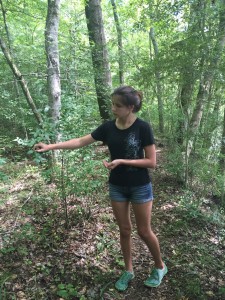 Kids need to be moving! Most likely your child is getting very little, if any, movement during the day as recesses are limited in both duration and frequency. Physical activity in school such as the structured physical education class or an unstructured recess should never be taken away as a form of punishment. Make sure that your child’s teacher does not take away fresh air and opportunities for movement in an attempt to manage behavior. Often enough, this does the exact opposite – the child who is “acting out” needs to be running around the playground and not confined to a classroom chair. Many behavioral problems can be addressed and remedied with physical activity. There is plenty of research associating exercise as treatment for depression and anxiety in adults; kids are no different. Kids diagnosed ADD and ADHD are often simply lacking physical activity and proper nutrition which are necessary to promote optimal growth, development, mood, attentiveness, and learning.
On a related note, exercise is sometimes used as a form of punishment. There may be an appropriate time and place where coaches and sports teams use this approach. However, some teachers choose to do this too and it communicates that movement is a punishment. If you want to encourage your child to be more active, then make it fun! Most adults look at exercise as a chore or a necessary evil as they head to the gym and stare mindlessly at a TV screen for 30-45 minutes on their treadmill or elliptical. This can hardly be considered healthy especially if it feels forced. My kids like homemade obstacle courses, running and climbing games, and turning yard work into a game. Reclaim movement as a form of exploration, wonder, curiosity, and imagination. Play is important and promotes creativity and health.
Physical activity goes beyond school too, so don’t think that it’s the job of the educational system to ensure adequate and proper fitness for your child. There are often ways to work in a few extra minutes of fresh air and exercise each and every day. Can your child walk or ride their bike to school? Are there ways that you can pare down their scheduled activities to allow them to have a more unstructured free time to play at the park, in the yard, or just figure out on their own what to do with themselves? Strength, endurance, and overall fitness can be obtained often by just letting kids do what they do best – play outside.
Let Kids Eat Well
Although nobody can convince Buddy the Elf otherwise, the four main food groups are not candy, candy cane corn, candy corn and syrup. Nor are they burgers, fries, pizza, and chicken nuggets. Kids should eat a healthy diet comparable to what a healthy adult should eat – they don’t need “kid food”. Fast food places strategically open just outside of high schools and packaged food companies now offer snack bags that claim to be “natural” when they are hardly so. It probably doesn’t need to be noted that school lunches are often not the healthiest of choices, though many schools are stepping up to the plate and offering salad bars, unprocessed meats, and other healthy alternatives. Vegetables, proteins, (meats & eggs), and natural, unrefined fats and oils are essential for both a child’s mental and physical development. Chicken fingers and French fries aren’t going to sustain a kid in the classroom or on the playing field.
Kids need to eat breakfast. Make enough time in the morning routine so you and your kids are not eating in a hurry or on the go. Eggs, natural meats (bacon, sausage), protein smoothies, fruits, grass-fed and sugar-free yogurt and granola (not sugar-laden granola) are excellent choices to consider. Make sure they are getting some quality protein and fats in the morning to keep them alert all day long. Without this, your child will most likely crash or underperform after lunch from too many carbohydrates. For lunch get your child interested in eating vegetables and high protein foods, limiting or eliminating white flours and sugars. An active kid might need some extra carbohydrates such as fruits, potatoes, sweet potatoes, or even rice or some grains (per their tolerance even though they are not “Paleo”).
Part of our homeschooling is that the kids participate in making their lunch and then cleaning-up. While a school cafeteria will most likely not permit this, kids can help with dinner. Preparing the meal helps create a connection to the food, it slows down the experience, and can help the family dinner become more of an opportunity to connect and communicate. Plus let’s not forget that learning how to cook is a great lifelong skill and there’s a lot of science and math involved!
If you are fortunate, you may live in an area with a farm to school type program. These programs get locally grown food into the school cafeteria. Often the students get to meet farmers and chefs and participate in gardening. Other schools have developed a school yard garden. Consider supporting these types of programs and encouraging your local school to participate. My family is a member of an organic community garden. Working in the garden is a form of exercise and it encourages even the most reluctant kid to eat something that they had a hand in growing.
Ultimately, it’s up to you – the parents – to get your children of all ages into a routine of eating, moving, and sleeping better. The sooner you (they) start, the more likely this will carry-over to their adulthood. Improved health, fitness, mental acuity, and overall quality of life are the best grades they can receive.
Dr. Stephen Gangemi "Sock Doc"

I'm a board-certified chiropractic physician and clinical nutritionist with a passion for true natural health care. I implement dietary & nutritional therapies, exercise & movement practices, and lifestyle changes along with manual therapy techniques to help the body heal and prevent illness and injuries.
Leave a Reply