Moving and Beyond: You Move as Well as You Eat
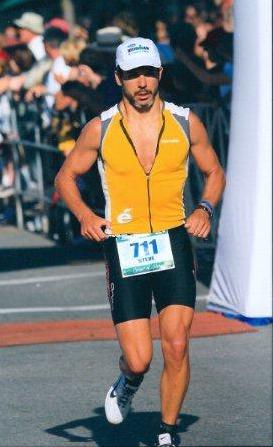
Good form requires the right kind of fuel. Simply look at the triathlete finishing an Ironman race or a runner finishing a marathon. Often they are bent over, twisted, and shuffling. Their gait has been broken. Their body has been broken.

You’d be surprised at how rapidly gait begins to fall apart when the gas tank is low. Often, a runner has fluid motion and gait when starting out—the form is swift and efficient. Yet, after 20 to 30 minutes or maybe not until mile 20 of a marathon, they may look as though they’ve run through a minefield, dragging one leg, swinging one arm out to the other side, scuffing the heels, and head drooping. And at the finish line, it looks even worse when they’re leaning to one side or hunched over because their lower back is in agony. Did an injury occur during the run? In a way, yes, but not so directly.
When your body is stressed due to dehydration, glycogen depletion, and other nutrient imbalances, the muscles no longer have the correct fuel to keep them functioning as well as they should, so they fatigue. The glucose or fluid isn’t there to keep the muscles firing properly, or maybe electrolytes are so depleted that the muscles can’t contract as well as they should.
Hydration is much more than just taking in water. Your body has to absorb it to use it. Fatigued adrenal glands from too much physical, nutritional, or emotional stress cause the body to lose excess sodium, so it cannot hold onto the water. This makes sense to the person who drinks and drinks and drinks, but always feels thirsty or urinates often. They are dehydrated, and their gait, and therefore exercise performance, is suffering. Any endurance athlete is familiar with white salt lines or caking on their cycling or running shorts. It’s a sign of too much sodium loss, and therefore these hydration issues and electrolyte imbalances result in muscle imbalances. The muscle imbalances result in gait imbalances, and the gait imbalances essentially create biomechanical problems—stability, balance, and movement problems. Next thing you know, you’re injured, if not immediately, then soon enough.
Insulin and Gait
Improper carbohydrate metabolism is another big factor that can affect gait, as insulin resistance can affect gait. Insulin resistance occurs when a person is making too much insulin because their body is no longer responding to the current hormone level needed to get the job done. It often occurs from consuming too many refined sugars and flours, but can also be from too many carbohydrates in general. The pancreas must manufacture more and more insulin to process the same amount of glucose, when it once only used a small amount to handle. Over time, the pancreas becomes less efficient in metabolizing carbohydrates, so too much insulin is produced, and the person winds up with signs and symptoms of blood sugar handling problems. These include irritability, cravings for sweets, excessive appetite, afternoon drowsiness or headaches, getting the shakes, and trouble sleeping, just to mention a few. They also have irregular gait patterns, which explain why most, if not all, of these individuals have some chronic ache, pain, or injury. Essentially, insulin levels affect how you move.
This insulin-gait link is a relatively new concept to most, and if it’s too radical a concept for some (perhaps you), then look at it from a strictly neurological perspective. High levels of insulin affect the brain directly, not just mental function, but also physical function. Of course, a healthy functioning brain is needed to move. So the more the brain is deprived of its proper nutrition, the more it will be impaired, and therefore gait will be impaired.
Many people who go off their high-carbohydrate diet resolve most of their aches and pains for this very reason. Adjusting your diet away from bagel and sugary coffee breakfasts most likely will result in dramatic changes in your health and performance. The double-edged sword is seen when you add the fact that under high-stress situations, such as overtraining, the body makes too much cortisol as a result, which in turn raises insulin levels at least in the short term. So not only does the burden of high insulin levels need to be dealt with, but the chronic hormonal stress will lead to weakened ligaments (that’s what high cortisol levels do), muscle breakdown, and inflammation.
When to Eat to Move Your Best
Gait is affected by insulin levels so much that it is important to know not only what to eat or drink, but also when to do so. One major mistake that many endurance athletes make is that they drink a carbohydrate solution right up until the start of a race. I have seen people at the start of a half-marathon or Ironman race packing in the fluid replacement drinks, or even worse, consuming a gel pack. They have quickly increased their blood sugar and insulin levels and begun the sugar-burning process, when the race demands that the majority of energy come from the body’s plentiful fat stores, as in any aerobic activity. An improper gait usually follows; natural movement is now lost. The proper thing to do is stop all carbohydrate consumption one hour prior to the event. Then, do not consume any carbohydrates until at least 15 to 30 minutes into the race. After 15 minutes, the body’s cells will respond to glucose without the insulin surge from the carbohydrate consumption. At the end of the event, especially those lasting well over one hour, try to consume the majority of carbohydrates within 60 minutes after, as well as some protein.
Remember, muscle imbalances can come from everything and anything—and most often these are a result of too much stress (including excess training) and a poor diet. So consuming too much refined sugar or inflammatory-type fats, such as refined vegetable oils or hydrogenated fats, will result in muscle imbalances and therefore trigger points (and in essence, an injury). Training too hard (many HIIT workouts) or inadequate recovery (or poor sleep) will also cause various muscle imbalances, common in the knee, lower leg, ankle, and foot, and result in injuries and trigger points. Yes, the trigger points need to be addressed, but it is as important, if not more so, to address why they’re there. These are concepts that traditional medicine does not recognize or understand.
So many people, including “fit athletes,” eat poorly, are under substantial stress, and train improperly. So what happens? Well, they get injured. The injury is a result of biomechanical imbalances that affect natural movement. So adhere to a proper diet, and in turn, your body will move so much more efficiently.